Should You Buy a Condo in a Converted Office Building in DC?
Washington is now the second-biggest office-to-residential conversion market in the country. Here's what that actually means if one of those units shows up on your list.
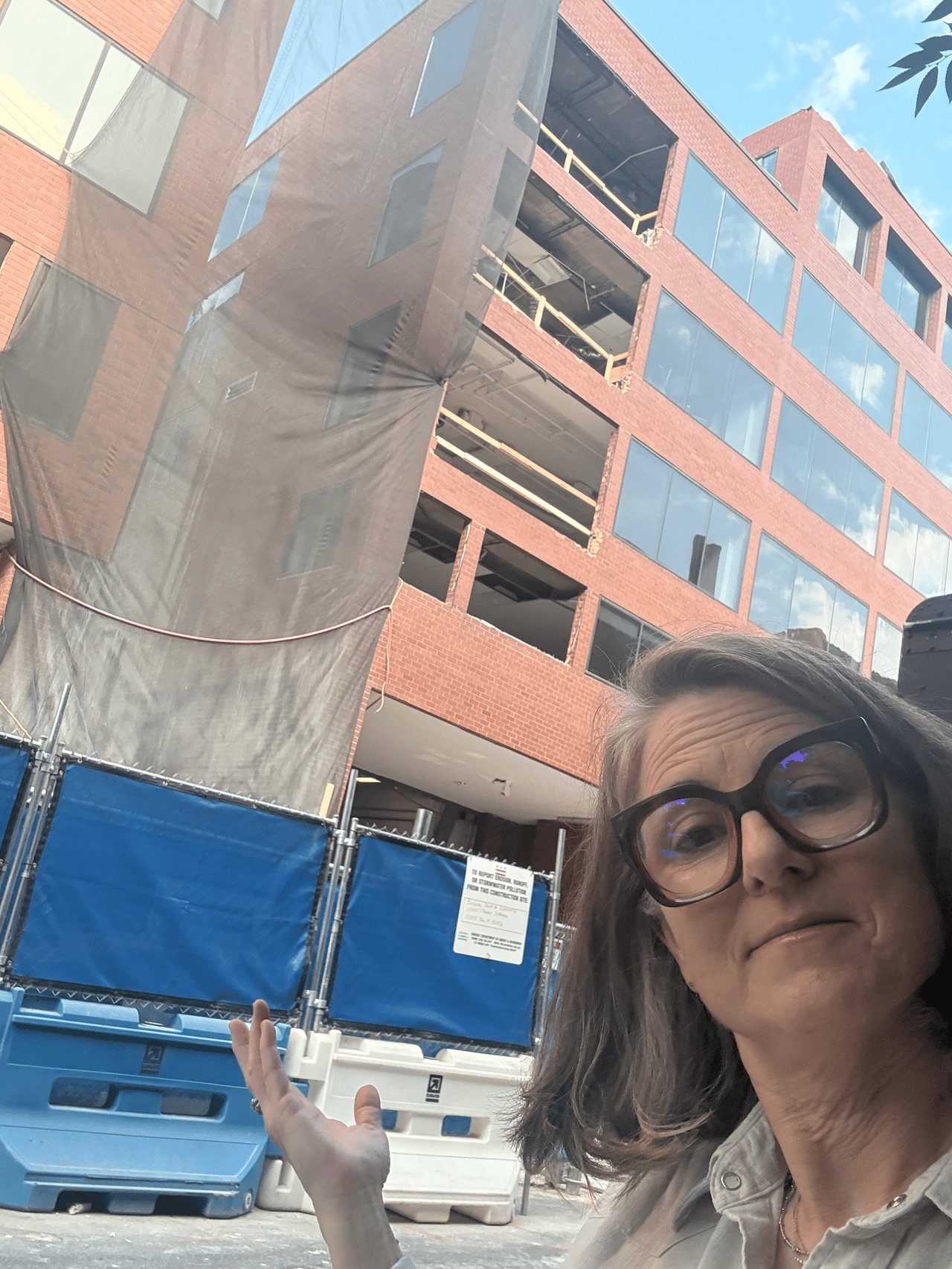
If you've toured a condo lately with an oddly deep floor plan, a window pattern that doesn't quite line up with a typical apartment layout, or a listing that mentions it was "formerly a commercial building," you've probably run into one of DC's office-to-residential conversions. And you're going to see a lot more of them.
The District is currently ranked #2 nationally for these conversions, trailing only New York. Projects like The Geneva in Dupont Circle — a 15-story former office building becoming 532 apartments — represent the leading edge of more than 6,500 units already in the pipeline citywide, with the city actively offering tax incentives to keep them coming. Downtown, in particular, is being reshaped by this trend building by building.
For buyers, that raises a real question: is a converted unit a smart buy, or a compromise dressed up as one?
Why These Buildings Exist in the First Place
Downtown office vacancy has been high enough for long enough that converting an underused office tower into housing is often cheaper than building new from the ground up — and the city has leaned into that with tax abatement programs specifically designed to make the math work for developers. That's good news for the city's housing supply. Whether it's good news for a specific buyer depends on the building.
What Tends to Be Genuinely Good About Them
- Bones and location. Many of these buildings sit in walkable, transit-connected parts of downtown that would be hard to find land for otherwise.
- Ceiling heights and structure. Older office buildings sometimes have higher ceilings and heavier floor construction than typical residential builds, which can mean a quieter, more solid-feeling unit.
- New systems. A full conversion usually means new plumbing, electrical, HVAC, and windows — you're often getting new-construction infrastructure in a building with real bones.
What to Actually Look At Before You Buy
- Floor plan logic. Office floor plates are deep and were never designed around natural light reaching every room. Ask directly: does this unit have a window in every bedroom, or is a "bedroom" really a windowless nook off a hallway?
- How the conversion was done, not just that it was done. A rushed, minimally-updated conversion and a full gut renovation down to the studs can look identical in a listing photo. Ask what was actually replaced versus what was left in place.
- The building's new HOA or condo association. A newly converted building often means a brand-new association with no track record yet — no history of how well it handles maintenance, budgeting, or reserves. That's worth factoring in the same way you'd evaluate any new condo association.
- Whether the tax abatement affects you. Some conversions received public incentives tied to affordability requirements. It's worth understanding whether that affects unit mix, resale, or building rules down the line.
- Resale comparables may be thin. Because these buildings are new to the market, there may not be much sales history yet to lean on for pricing — appraisals and financing can take a little more legwork as a result.
Who a Converted Unit Makes the Most Sense For
Buyers who value walkability and downtown access over classic prewar charm, who are comfortable being early residents of a building without years of track record, and who do their homework on the specific floor plan rather than assuming "converted" automatically means either "problem" or "deal." In the right building, at the right price, these can be some of the best value per square foot downtown has to offer right now.
The Bottom Line
DC's conversion boom isn't a passing trend — it's reshaping downtown's housing stock in real time, and more of these units are going to show up in your search whether you're looking for them or not. The smart move isn't avoiding them or defaulting to them, it's knowing exactly what questions to ask before you do.
If a converted building shows up on your list, I'm happy to walk the specific unit and building with you and help you sort the great opportunities from the ones that just look like one — reach out anytime.