What Is It Like to Live in Georgetown, DC?
Cobblestone streets, Federal-style rowhouses, the C&O Canal, and a waterfront park on the Potomac. Here's what residents and local guides say makes Georgetown one of the most distinctive places to live in Washington.
Abi Paulsen · Washington, DC Real Estate
Georgetown is older than Washington itself. Founded in 1751 as a tobacco port on the Potomac, it became part of the District in 1800 and has been a place people want to live ever since. Today it blends historic charm with a lively commercial core, all within a few blocks of the river.
A Neighborhood With Deep Roots
The Georgetown that exists today still carries its 18th- and 19th-century past. The Old Stone House, built in 1765, is the oldest standing residence in DC and is free to visit. The C&O Canal, which carried coal and agricultural goods for more than a century, now runs through Georgetown as a public park, and its towpath stretches about 185 miles to Cumberland, Maryland.
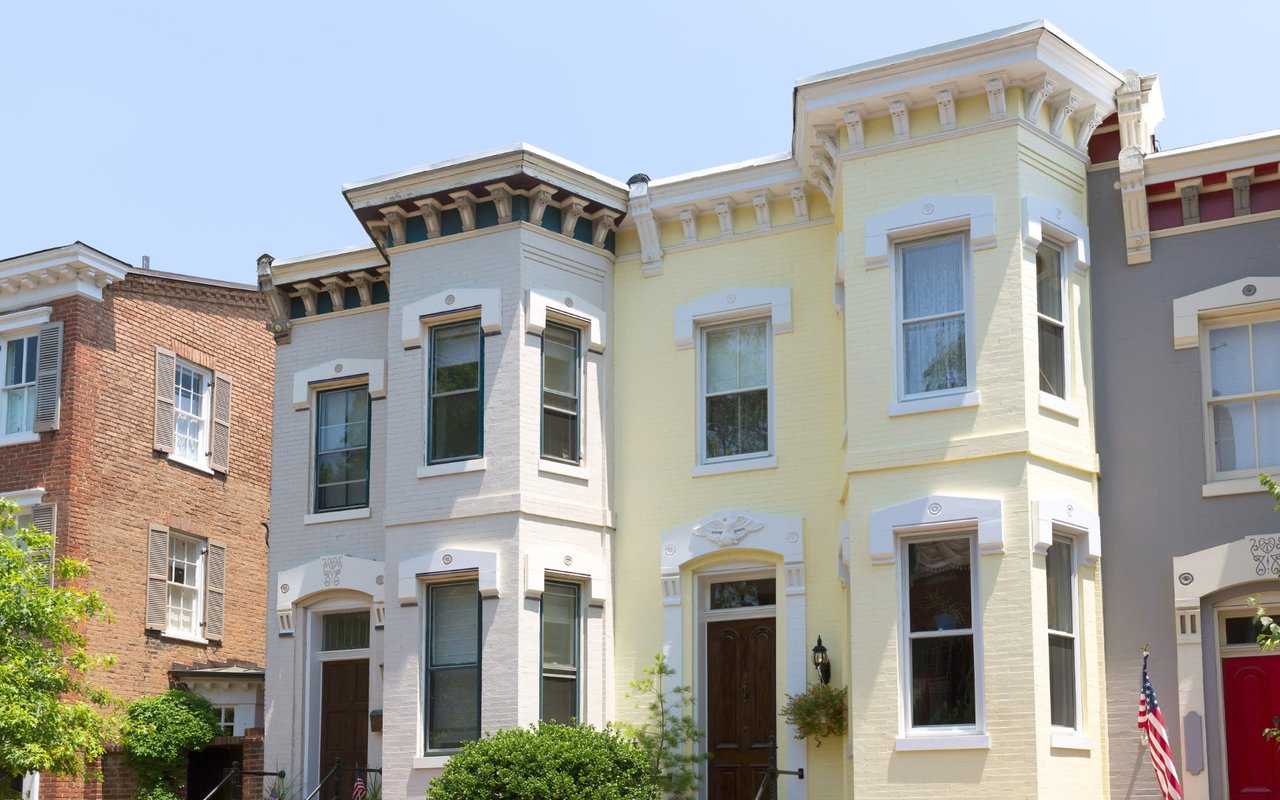
That history shows up in the streets. Preserved Federal-style rowhouses, brick sidewalks and cobblestones give the neighborhood a character that is hard to find elsewhere in the city.
What Residents Say They Love
- Architecture and character. Historic rowhomes line the side streets, and quieter residential blocks sit just steps from the busier commercial corridors.
- The waterfront. Georgetown Waterfront Park runs along K Street between 31st and 34th Streets, with river views, open space and a popular spot for kayaking and other riverfront activities.
- Shopping and dining. M Street and Wisconsin Avenue are home to a wide mix of boutiques, vintage shops, restaurants and long-standing local favorites like Martin's Tavern, open since 1933.
- Green space and culture. Beyond the canal and waterfront, Dumbarton Oaks (its museum and gardens), Tudor Place and Oak Hill Cemetery add quiet places to walk and spend time.
- Walkability. Many daily errands, meals and weekend outings are possible on foot.
A Mix of Homes
Georgetown is best known for its historic rowhouses, but the neighborhood also includes larger detached homes, condominiums and apartment buildings. That range gives buyers more than one way in, from a condo near the waterfront to a classic townhouse on a tree-lined side street.
How It Compares to Cleveland Park, Spring Valley and Wesley Heights
Georgetown is the most urban of the four. You trade the larger lots and quiet cul-de-sacs of Spring Valley and Wesley Heights, and the Metro-adjacent village feel of Cleveland Park, for historic rowhouses, a dense walkable core and the river. Many buyers decide based on whether they want to step out the front door into a neighborhood or drive home to a bigger yard.
A Few Honest Things to Know
- No Metro station in Georgetown. The closest stations are Foggy Bottom/GWU and Rosslyn, and several bus routes serve the neighborhood. Many residents walk, rideshare or drive.
- Parking takes planning. Street parking is metered much of the week, and many older homes have limited or no off-street parking.
- Historic district rules apply. Georgetown is a protected historic district, so exterior changes typically require review before you design or build anything.
- Older homes bring older systems. Original details are part of the appeal, and inspections and updates deserve a realistic budget.
- Weekend energy. The commercial corridors can be busy, so where you live relative to M Street and Wisconsin Avenue shapes how your days feel.
If You're Thinking About Buying
- Walk the neighborhood at different times. A Tuesday morning and a Saturday night feel very different.
- Ask about parking early. Check whether a home has off-street parking before you fall in love with it.
- Understand historic district review. If you plan to renovate, find out what approvals are needed before you finalize plans.
- For condos, look at the building. Review reserves, fees and financing eligibility, not just the unit.
If You're Thinking About Selling
- Lead with what makes the home distinctive. Original details, location and outdoor space are what buyers respond to here.
- Highlight the walkable lifestyle. The waterfront, canal and M Street dining are a large part of the appeal.
- Know which segment you're in. A historic townhouse and a waterfront condo attract different buyers and are priced and marketed differently.
The Bottom Line
Georgetown is a neighborhood people choose for its history, its walkability and its setting on the river. It asks for a little planning around parking and transit, and gives back a daily life that is hard to replicate anywhere else in DC.
If that sounds like the life you want, or you're thinking about selling a home here, let's talk about what you're hoping to do.
SEO Title: What Is It Like to Live in Georgetown, DC? | Abi Paulsen SEO Description: What is it like to live in Georgetown, DC? Historic rowhouses, the C&O Canal, Potomac waterfront views, and walkable M Street shopping and dining close by.