Why DC Condo Fees Are About to Get a Lot More Real
New lending rules are exposing which older buildings in Georgetown, Cleveland Park, Wesley Heights, and the West End are financially healthy — and which aren't. Here's what buyers and owners need to know before it costs them a deal.
If you've been condo shopping in DC lately, you may have noticed something: agents and lenders are asking a lot more questions about the building, not just the unit. That's not a coincidence.
As of August 3, 2026, Fannie Mae and Freddie Mac eliminated the streamlined "Limited Review" process for condo buildings with more than 10 units. Every conventional loan in those buildings now has to go through a Full Review — a deep look at the association's reserves, insurance, delinquency rate, pending litigation, and any special assessments on the horizon. Reserve funding requirements are also rising, from 10% to 15% of the annual budget.
In plain terms: lenders are now underwriting the building almost as carefully as they underwrite you.
Why this hits Washington harder than most cities
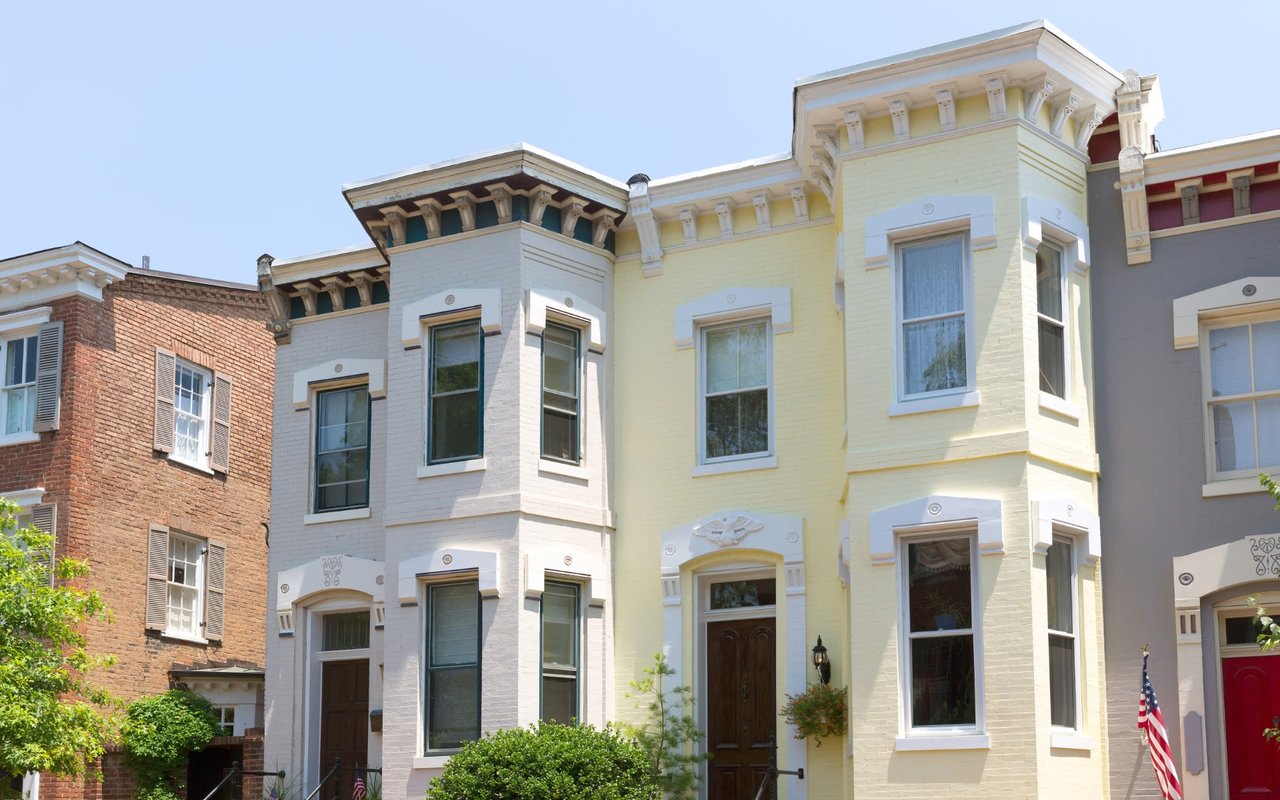
DC has an unusually high concentration of the exact kind of building these rules are designed to flag — pre-war and mid-century mid-rises and conversions in neighborhoods like Georgetown, Cleveland Park, Wesley Heights, and the West End. Beautiful buildings, but often decades old, with aging plumbing, roofs, elevators, and masonry that require real money to maintain.
For years, some of these associations kept monthly fees artificially low by underfunding reserves and hoping nothing major broke. That approach doesn't work under the new rules. If a lender's Full Review turns up thin reserves or a looming capital project, the building can be labeled non-warrantable — meaning conventional financing isn't available there at all, and buyers are pushed toward pricier portfolio loans with higher rates and bigger down payments.
Local lenders are already estimating that a meaningful share of DC's older, smaller condo buildings could fall into that category over the next several months.
What this means if you're buying
- Ask for the reserve study before you fall in love with the unit. A healthy reserve fund — not just a low monthly fee — is what actually protects your financing.
- A cheap condo fee isn't a deal, it might be a warning sign. In DC's older buildings, a fee that seems low relative to the unit's size or the building's age can mean the association is deferring maintenance rather than avoiding it.
- Build in review time. Full Review takes longer than the old Limited Review process. If you're under contract on a building that hasn't been reviewed under the new standard, don't assume your closing timeline is safe.
- Ask directly about pending or anticipated special assessments. This is now a financing question, not just a comfort question.
What this means if you own or are selling
If you own in one of these older buildings, this is worth getting ahead of rather than finding out about mid-contract:
- Know your building's standing now. Ask your board or management company where your reserves sit relative to the new 15% threshold, and whether a reserve study has been done recently.
- A well-documented, well-funded association is a selling point right now. Buyers and their lenders are looking for it specifically — make it easy for them to find.
- If a special assessment is coming, timing matters. Selling before it's levied, after it's fully disclosed, or after it's paid off can each mean a very different conversation with buyers. Which approach makes sense depends on your building and your timeline.
The bottom line
This isn't a reason to avoid condos in Georgetown, Cleveland Park, Wesley Heights, or the West End — some of DC's best-run buildings will sail through a Full Review without issue. But it is a reason to look past the finishes and the fee on the listing sheet and ask harder questions about the building itself, on both sides of the transaction.
If you're weighing a condo purchase or thinking about selling in one of these buildings, I'm happy to help you look at the specific building's financial health — reach out or schedule a quick call and we'll go through it together.